More Living Space
Additions create new square footage for bedrooms, living areas, or expanded kitchens, giving you the space you need without compromising your current home.


Expand your home with a custom addition designed to add space, improve functionality, and feel like a natural part of the original structure. From extra bedrooms and living areas to expanded kitchens and flexible-use spaces, we build additions tailored to your home and how you live.
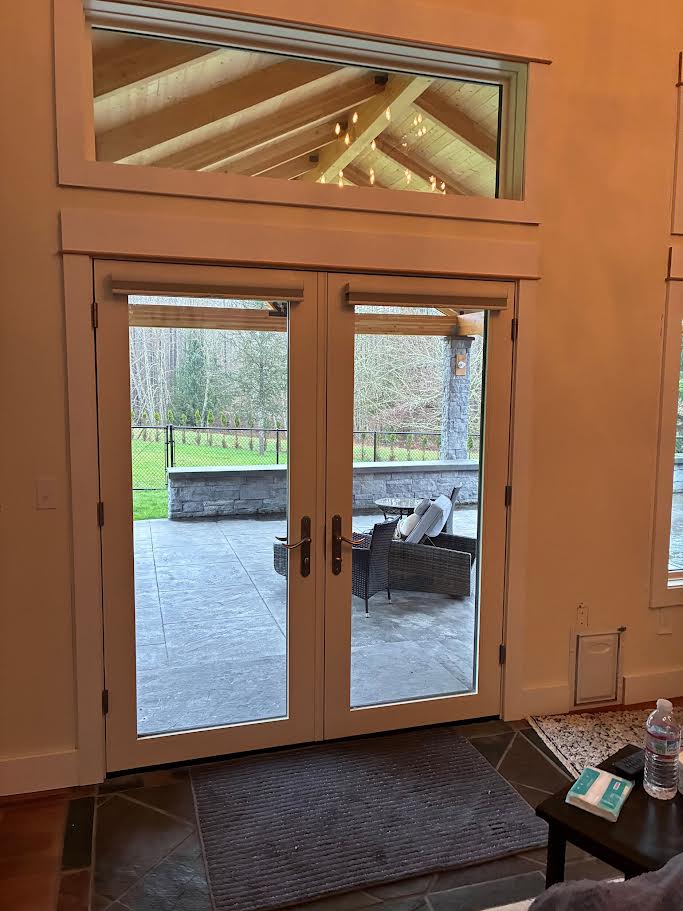
A well-planned home addition should do more than add square footage. It should integrate seamlessly with your existing structure, improve how your home functions, and create space that feels like it has always been part of the layout.
Our addition services include expanded living areas, new bedrooms, kitchen extensions, and attached or detached structures. Each project is designed around your home, your property, and the structural details required to support long-term performance.
Additions are designed to match your existing home so the finished space feels natural and cohesive.
Built with attention to foundation, framing, and long-term durability to support the expanded structure.
A well-designed home addition creates more usable space, improves how your home functions, and allows you to stay in a home you already enjoy while adapting it to your needs.
Additions create new square footage for bedrooms, living areas, or expanded kitchens, giving you the space you need without compromising your current home.
Instead of moving, a home addition allows you to improve your current space while keeping your location, neighborhood, and existing investment.
A well-planned addition can significantly increase property value by adding functional square footage and improving overall home appeal.
Room additions create new square footage for bedrooms, offices, guest rooms, or other essential living needs while keeping the new space connected to the home’s existing layout.
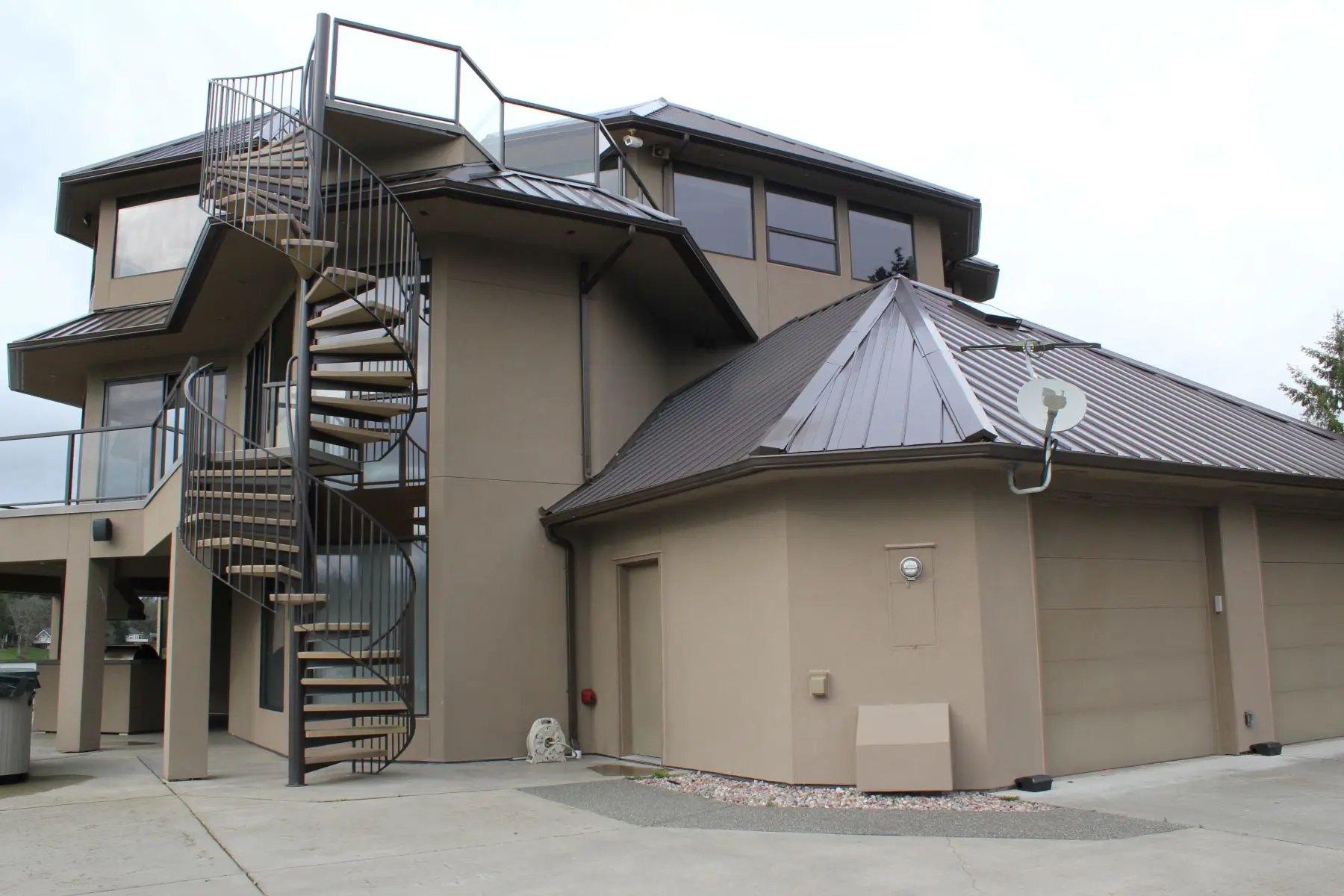
Expanding kitchens, family rooms, and main living areas can improve flow, increase comfort, and make the home function better for everyday life and entertaining.
Conversions make better use of existing square footage by transforming underused areas into functional living space without the footprint of a full addition.
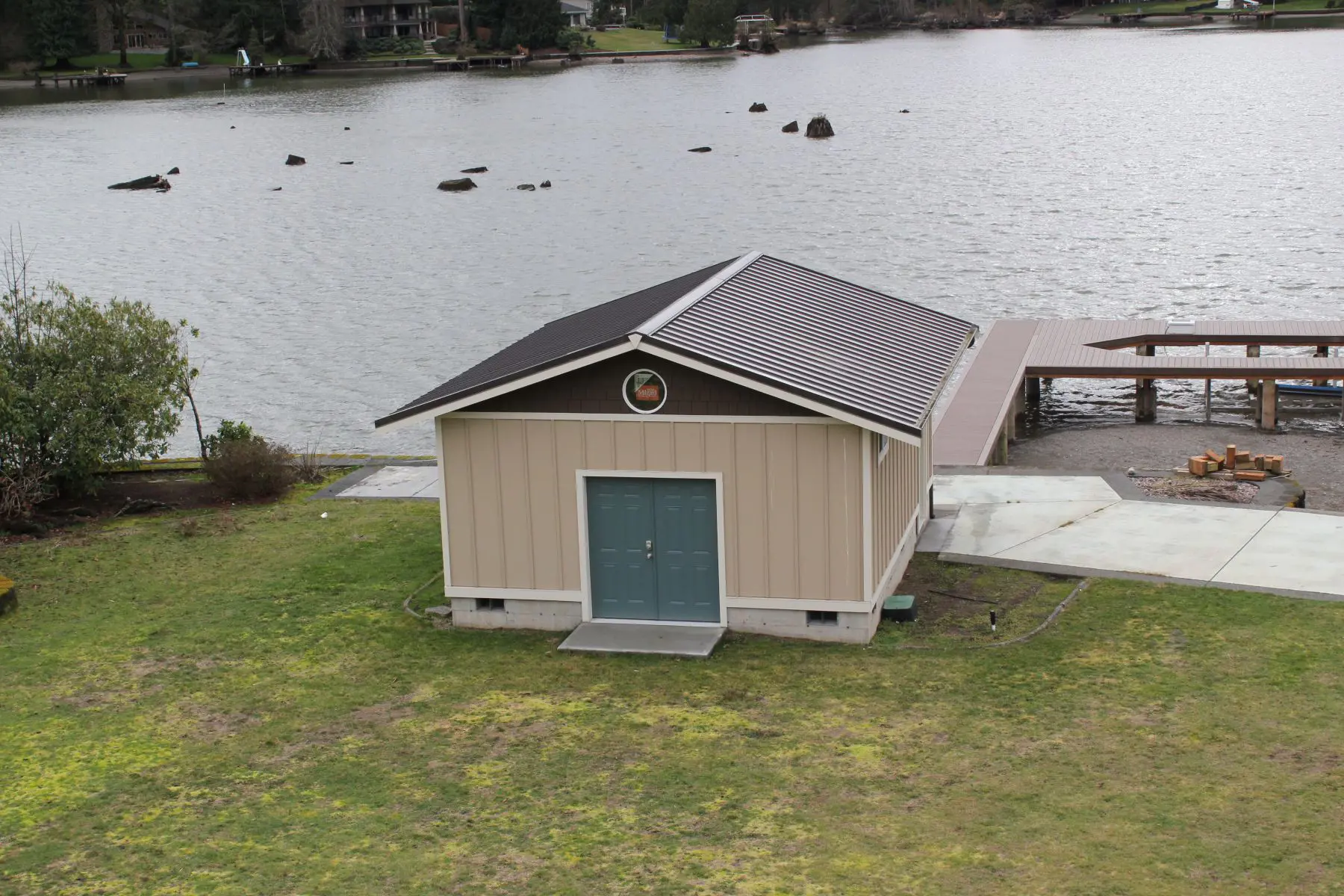
Attached and detached accessory dwelling projects create flexible living space for guests, rental income, multigenerational living, or long-term property use.
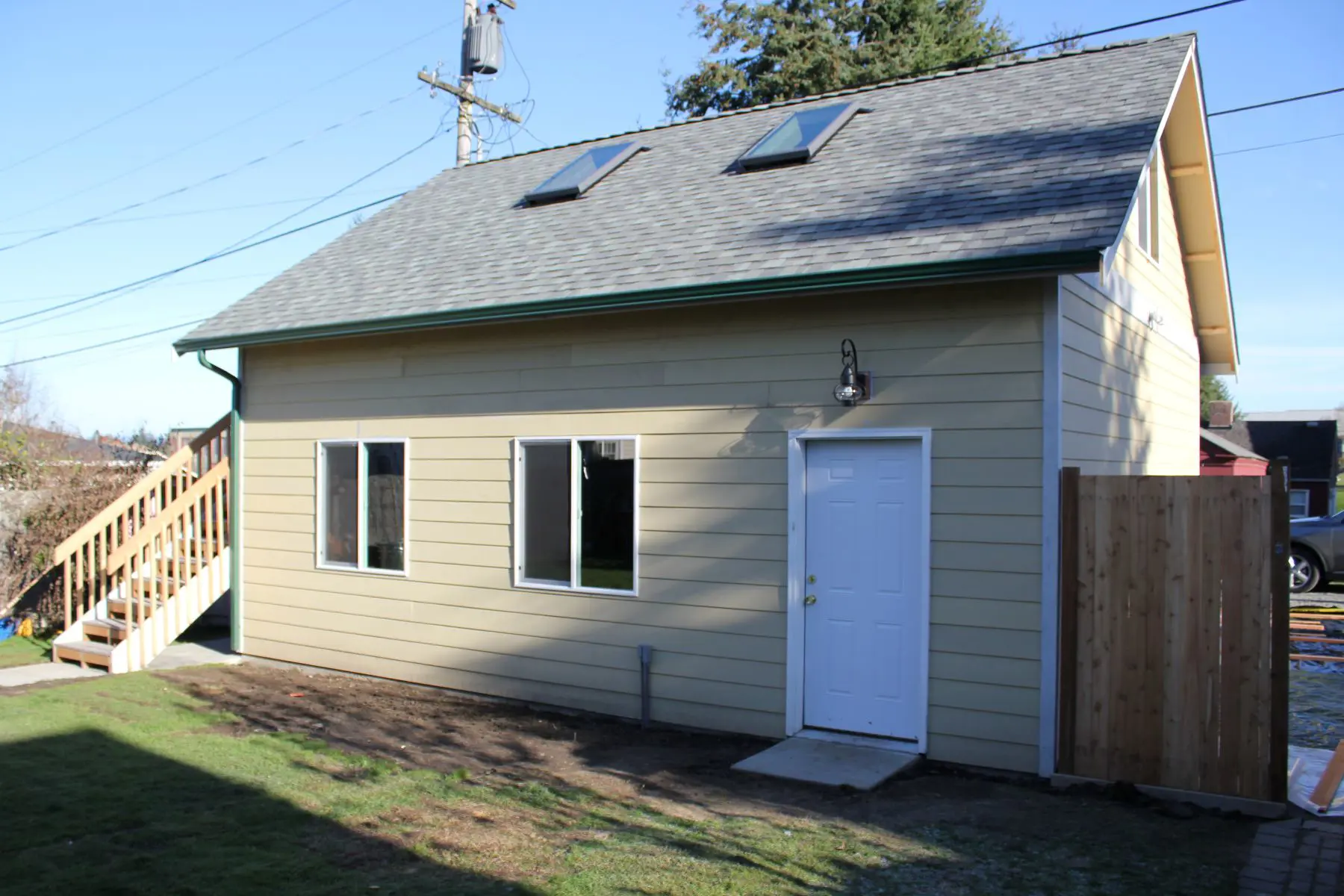
Feeling overwhelmed? Home additions involve planning, structural design, and permitting. We guide you through the entire process—from concept and layout to approvals and construction—so your project stays organized and built to last.
We start by understanding your home, your goals, and the type of space you want to add so the project begins with a clear direction.
We plan layout, structural integration, and how the addition connects to your existing home to ensure a seamless and functional design.
We prepare drawings, structural plans, and permit applications, coordinating with local jurisdictions to move your project through approval.
Your addition is built with attention to structure, materials, and craftsmanship, ensuring the new space feels integrated, durable, and ready for everyday use.
We review the completed addition with you, confirm the details, and ensure everything meets expectations for comfort, function, and long-term use.
A successful home addition requires more than construction—it needs thoughtful planning, structural precision, and a finished result that feels like part of the original home. Our approach focuses on integration, durability, and a process that keeps your project organized from start to finish.
Every addition is designed to match your existing home so the new space feels natural, cohesive, and well-connected.
We focus on foundation, framing, and structural details to ensure the addition performs reliably over the long term.
We keep the project organized with clear communication, realistic expectations, and attention to detail at every stage.
Here are some of the questions homeowners often ask when planning a home addition, expanding living space, or building an ADU or DADU.
Most home additions in Snohomish County require permits because they involve structural changes, foundation work, and modifications to electrical, plumbing, or mechanical systems. The exact requirements depend on the size and scope of the project as well as the property location.
Reviewing permit requirements early helps ensure the addition is designed correctly and avoids delays during plan review, approvals, and inspections.
Home additions must follow zoning regulations that control setbacks, lot coverage, height limits, and how close structures can be built to property lines. These rules vary depending on zoning designation and whether the property is in a city or unincorporated county area.
Understanding zoning early in the process helps determine what type of addition is possible and prevents design changes later in the project.
Home additions in Washington must comply with the state building code system, which includes structural, energy, electrical, and plumbing requirements. These codes are based on national standards with state-specific amendments.
Because additions affect the existing structure, they often require coordination between multiple code sections to ensure safety and long-term performance.
An ADU (Accessory Dwelling Unit) is typically attached to or located within the main home, while a DADU (Detached Accessory Dwelling Unit) is a separate structure on the same property. Both provide independent living space but have different design and zoning considerations.
ADU and DADU projects are regulated differently depending on location, so it is important to understand local rules before planning the project.
Contractors in Washington must be registered through Labor & Industries before performing most construction work. Verifying registration helps confirm the contractor meets state requirements and is authorized to operate.
Checking registration before starting a project helps protect homeowners and ensures the contractor is working within the state system.
Our request form uses a couple quick pre-steps to reduce errant submissions before showing the full contact form. It only takes a moment, and it helps us respond to real customers faster.