Improved Water Access
A custom dock makes it easier and safer to access the water for boating, swimming, and everyday use along your shoreline.


Improve waterfront access with custom dock construction designed for durability, function, and long-term performance. From new dock builds to replacements and waterfront upgrades, we create dock systems tailored to your property and how you use the water.
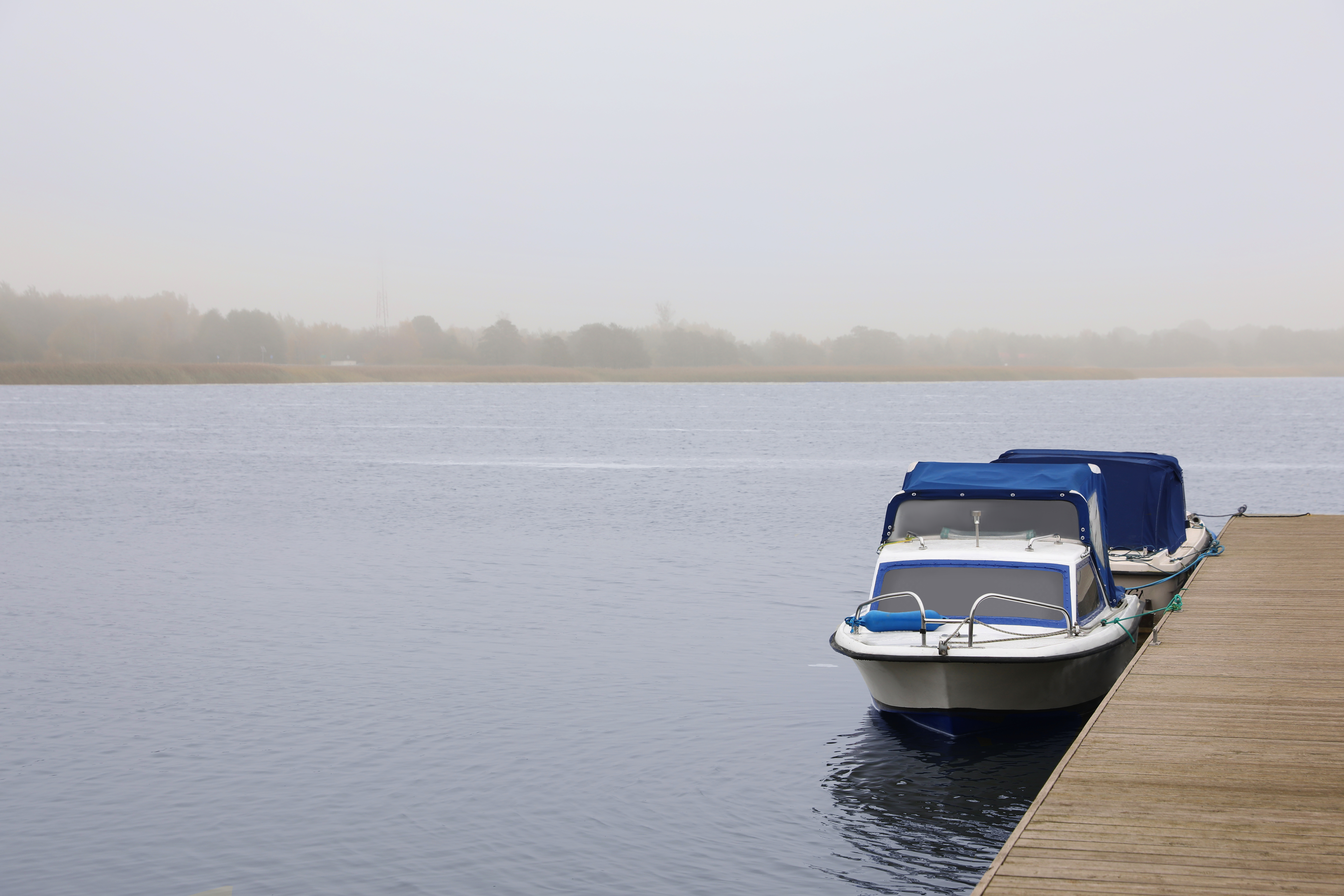
A custom dock should do more than provide a place to tie up a boat. It should improve access to the water, hold up to changing conditions, and create a space that works safely and reliably over time. We build dock systems designed for function, durability, and everyday waterfront use.
Our dock services can include new construction, replacements, extensions, gangways, and structural upgrades. Each project is planned around shoreline conditions, water levels, permitting requirements, and how the finished dock will be used.
Designed to handle water exposure, changing levels, and site-specific shoreline conditions.
Built with materials and structural methods suited for long-term performance in marine environments.
A well-designed dock improves access to the water, protects your equipment, and creates a more functional and enjoyable waterfront experience.
A custom dock makes it easier and safer to access the water for boating, swimming, and everyday use along your shoreline.
Proper dock design helps secure and protect your boat while making launching, docking, and maintenance more convenient.
A durable, well-built dock can enhance waterfront usability, visual appeal, and overall property value over time.
New dock construction is designed around your shoreline, water access needs, and how you plan to use the finished space for boating, swimming, or everyday waterfront access.
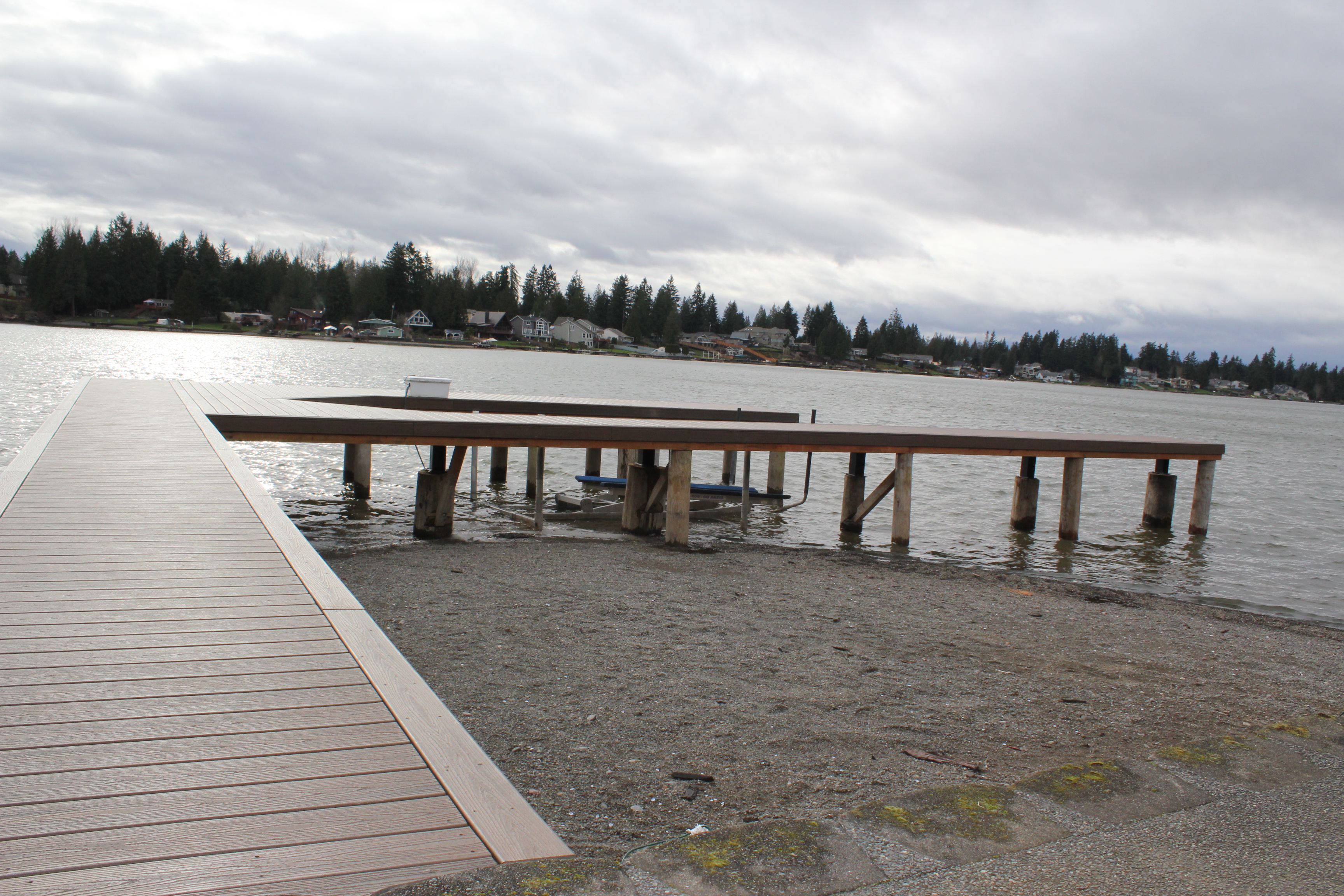
Dock replacement projects remove aging or deteriorated structures and replace them with updated systems built for safer access, improved reliability, and long-term waterfront use.
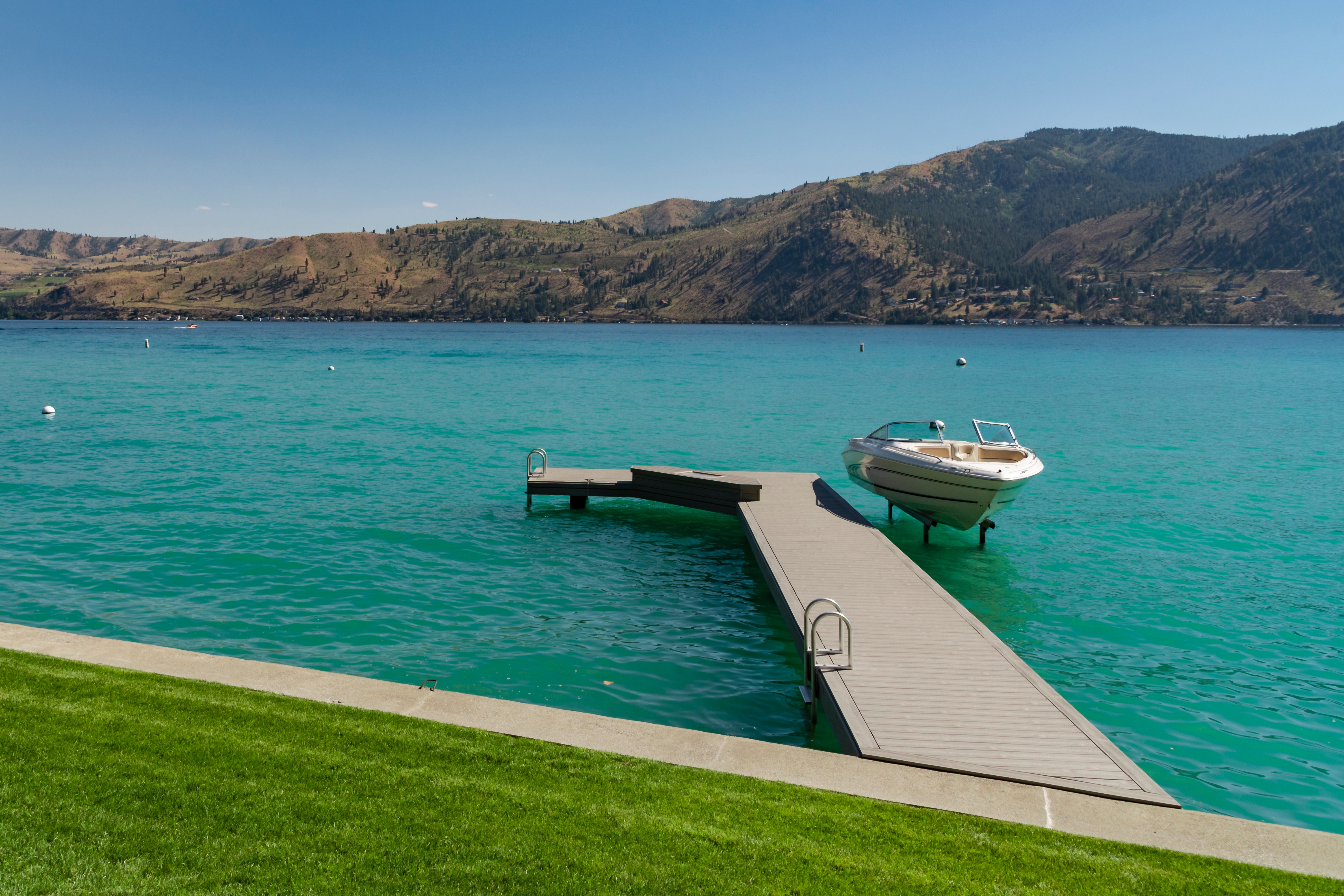
Dock extensions and expansions help increase usable waterfront space, improve reach into the water, and better support changing access or boating needs over time.
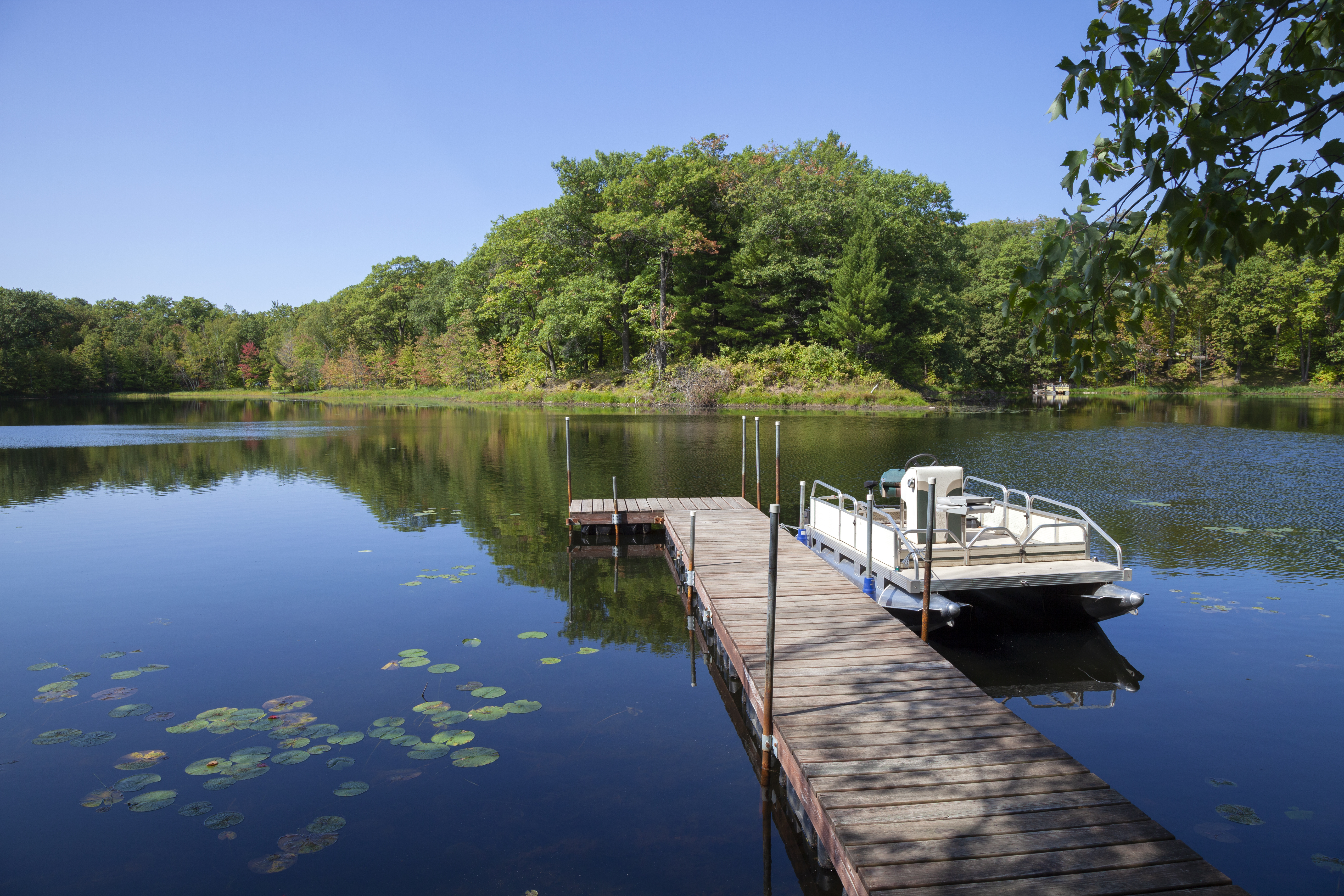
Shoreline access solutions and gangway systems improve the connection between land and dock while supporting safer, more practical movement across changing grades and water conditions.
Feeling overwhelmed? Dock projects involve shoreline conditions, layout planning, and permitting. We guide you through the entire process—from site evaluation and design to approvals and construction—so your waterfront project stays organized and built to last.
We start by understanding your shoreline, access needs, and how you want your dock to function for daily use and waterfront activities.
We assess shoreline conditions, water depth, access points, and layout to design a dock system that fits your property and long-term use.
We assist with permitting, shoreline regulations, and required documentation to help ensure your dock project meets local and environmental requirements.
Your dock is built with attention to structural integrity, marine durability, and the details that support safe, reliable, long-term performance.
We review the completed dock with you, confirm the details, and ensure everything is ready for safe, functional, everyday use.
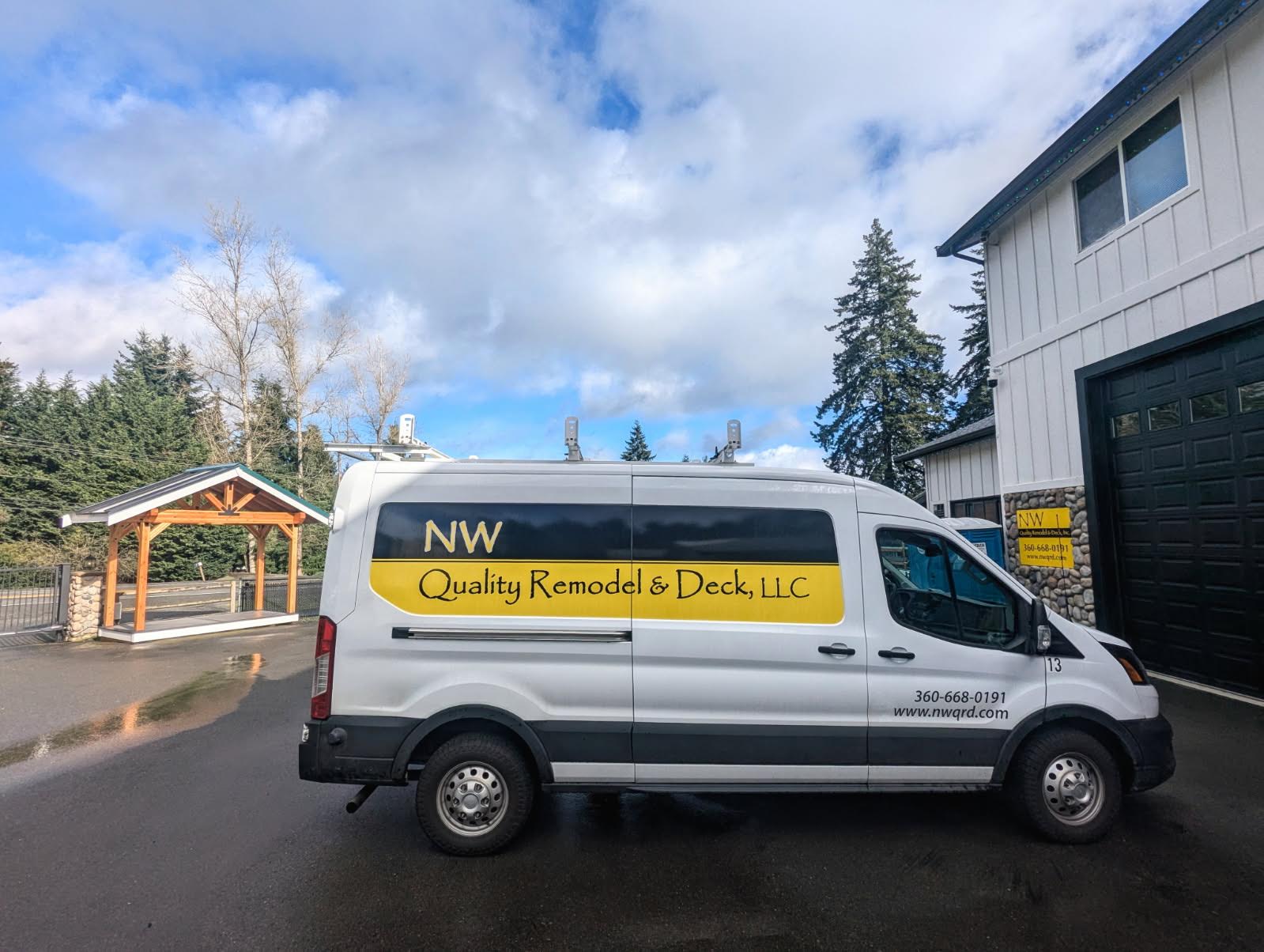
Dock construction requires more than standard building experience—it demands an understanding of shoreline conditions, water exposure, and long-term durability. Our approach focuses on building dock systems that perform reliably while staying tailored to each property.
Every dock is planned around shoreline layout, water levels, and site-specific conditions to ensure proper performance.
We use materials and construction methods suited for long-term exposure to water, weather, and changing conditions.
We keep the project organized with straightforward communication, practical planning, and attention to detail from start to finish.
Dock projects involve shoreline conditions, environmental regulations, and permitting requirements that go beyond typical construction work. Here are some of the most common questions homeowners ask when planning a dock project.
Most dock projects require permits in Snohomish County because they involve shoreline work, structural construction, and environmental considerations. Requirements vary depending on location, water body, and project scope.
It is important to review both local permitting and shoreline regulations early so the design, placement, and approval process are clearly understood before construction begins.
Dock construction in Washington is regulated through a combination of shoreline management laws, environmental protections, and structural building requirements. These rules are intended to protect waterways while ensuring safe and functional construction.
Because multiple agencies may be involved, it helps to understand both state-level shoreline regulations and any local jurisdiction requirements that apply to your property.
Yes, dock construction is often subject to environmental regulations that address shoreline impact, aquatic habitat, and water quality. These restrictions can influence dock size, placement, materials, and construction timing.
Environmental review is a key part of the permitting process, and requirements can vary depending on the type of water body and surrounding conditions.
Contractors in Washington must be registered through Labor & Industries to legally perform construction work. Verifying registration helps confirm the contractor meets state requirements for licensing, bonding, and insurance.
It is recommended to check official state resources to confirm contractor status before signing any agreements.
Planning a dock project involves more than layout and size, including shoreline conditions, water depth, access needs, and regulatory requirements. Early planning helps ensure the dock is both functional and compliant with local rules.
Considering these factors early makes it easier to align the project with permitting requirements and long-term usability goals.
Our request form uses a couple quick pre-steps to reduce errant submissions before showing the full contact form. It only takes a moment, and it helps us respond to real customers faster.